Volunteer Stories: Capturing Impact with Watercolors
- spencerlc
- Jan 10
- 4 min read
Art has a unique way of telling stories, and when combined with the spirit of volunteerism, it can create powerful narratives that resonate deeply within communities. In this blog post, we will explore how watercolor painting can be a medium for capturing the impact of volunteer work. Through the lens of various volunteer stories, we will see how these artistic expressions not only celebrate the efforts of volunteers but also inspire others to get involved.
The Power of Art in Volunteerism
Art has always been a reflection of society, and when it comes to volunteerism, it serves as a bridge between the artist and the community. Watercolors, with their fluidity and transparency, can beautifully illustrate the emotions and experiences of those involved in volunteer work. Here are some ways in which art can amplify the impact of volunteer stories:
Visual Storytelling: Watercolors can capture moments that words sometimes fail to express. A painting of a volunteer helping a child can evoke feelings of compassion and connection.
Community Engagement: Art can bring people together. Community art projects can involve volunteers and residents alike, fostering a sense of belonging and shared purpose.
Awareness and Advocacy: Artistic representations of volunteer efforts can raise awareness about important social issues, encouraging others to take action.
Inspiring Volunteer Stories Through Watercolors
Story 1: The Community Garden Initiative
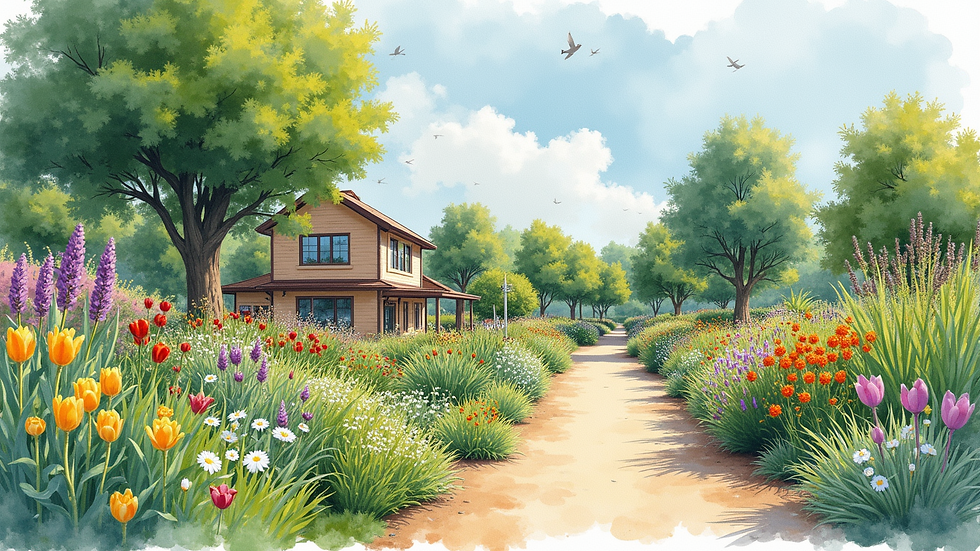
In a small town, a group of volunteers came together to transform a neglected lot into a thriving community garden. This initiative not only provided fresh produce but also served as a gathering place for residents. A local artist captured this transformation through a series of watercolor paintings, depicting the garden's growth and the joy it brought to the community.
The artist's work showcased:
Before and After: The stark contrast between the barren lot and the lush garden highlighted the volunteers' hard work.
Community Interaction: Paintings of families planting seeds and harvesting vegetables illustrated the garden's role in fostering community bonds.
Story 2: Mentoring Youth Through Art
Another inspiring story comes from a group of volunteers who dedicated their time to mentoring at-risk youth through art programs. They used watercolors to teach children not only the techniques of painting but also the importance of self-expression.
The impact of this program was profound:
Building Confidence: Children who once struggled with self-esteem found their voices through art.
Creating Connections: The mentors formed lasting relationships with the youth, providing guidance and support beyond the art classes.
The artist involved in this project created vibrant paintings that depicted the joy and creativity of the children, showcasing their unique perspectives and talents.
Story 3: Environmental Clean-Up Campaign
A dedicated team of volunteers organized an environmental clean-up campaign at a local beach. Their efforts not only beautified the area but also raised awareness about the importance of protecting natural habitats. A watercolor artist documented this campaign, capturing the volunteers in action as they picked up trash and restored the shoreline.
Key elements of the artist's work included:
Dynamic Action: Paintings of volunteers actively cleaning the beach conveyed a sense of urgency and commitment.
Nature's Beauty: The artist contrasted the pristine beauty of the beach with the litter that had accumulated, emphasizing the need for environmental stewardship.
The Process of Creating Impactful Watercolors
Creating watercolor paintings that effectively tell volunteer stories involves several steps. Here’s a breakdown of the process:
1. Gathering Inspiration
Artists often start by immersing themselves in the volunteer experience. This can involve:
Attending volunteer events
Interviewing volunteers and beneficiaries
Taking photographs for reference
2. Sketching Ideas
Once inspired, artists create preliminary sketches to outline their compositions. This stage allows them to experiment with different perspectives and arrangements.
3. Choosing a Color Palette
Watercolors are known for their vibrant hues. Selecting a color palette that reflects the emotions of the story is crucial. For example:
Warm colors can evoke feelings of joy and community.
Cool colors might convey calmness and reflection.
4. Painting Techniques
Artists use various techniques to bring their visions to life. Some popular methods include:
Wet-on-Wet: This technique allows colors to blend seamlessly, creating soft edges and atmospheric effects.
Dry Brush: This method adds texture and detail, perfect for capturing intricate elements like foliage or clothing.
5. Final Touches
After the main painting is complete, artists often add final details to enhance the overall impact. This might include:
Highlights to create depth
Textures to add realism
Background elements to provide context
Sharing the Art and Stories
Once the paintings are completed, sharing them with the community is essential. Here are some effective ways to showcase the artwork and the stories behind them:
Exhibitions
Organizing local exhibitions can provide a platform for artists to display their work. This not only highlights the volunteer efforts but also encourages community engagement.
Social Media Campaigns
Using social media to share the artwork can reach a wider audience. Artists can post images of their paintings along with the stories of the volunteers, inspiring others to get involved.
Community Events
Hosting community events where volunteers can come together to celebrate their efforts can be a powerful way to share the art. This could include:
Art fairs
Fundraising events
Workshops
The Lasting Impact of Volunteer Stories
The combination of volunteerism and art creates a ripple effect that can inspire change. When stories are told through watercolors, they become more than just images; they become a call to action. Here are some lasting impacts of capturing volunteer stories through art:
Inspiring Future Volunteers: Seeing the positive outcomes of volunteer work can motivate others to join in.
Strengthening Community Bonds: Art can foster a sense of pride and connection among community members.
Raising Awareness: Artistic representations can highlight social issues, encouraging discussions and actions that lead to change.
Conclusion
Watercolors have the power to tell compelling stories that celebrate the spirit of volunteerism. By capturing the impact of volunteer work through art, we not only honor those who dedicate their time and energy to helping others but also inspire a new generation of volunteers. Whether through community gardens, youth mentorship, or environmental clean-ups, the stories of volunteers are rich with emotion and significance.
As you reflect on the stories shared in this post, consider how you can contribute to your community. Whether through volunteering or supporting local artists, every action counts. Let the beauty of watercolor art inspire you to make a difference.


Comments